American Goulash: How a Hungarian Stew Became a US Classic
From bustling school cafeterias to quiet family dinner tables,
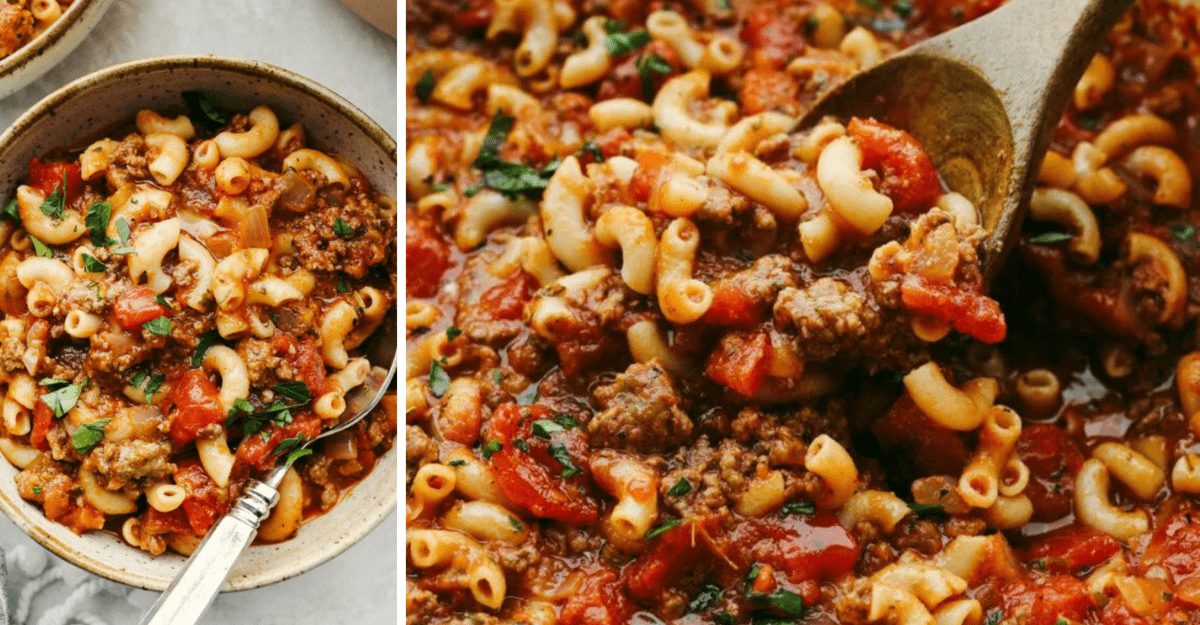
American goulash holds a cherished spot in the hearts and stomachs of many across the United States. This humble, hearty, one-pot meal, often featuring ground beef, elbow macaroni, and a rich tomato sauce seasoned with paprika, epitomizes comfort food. Yet, its journey to becoming a quintessential American classic is a fascinating tale of immigration, adaptation, and culinary ingenuity, tracing its roots back to the ancient plains of Hungary. What started as a simple, thick stew for Magyar herdsmen has transformed over centuries and continents into the beloved, pasta-laden dish we know today.
From Hungarian Gulyás to American Goulash: A Culinary Journey
The evolution of American goulash is a testament to the power of food to transcend borders and cultures, adapting to new environments while retaining a kernel of its original spirit.
The Humble Origins of Hungarian Gulyás
The story of goulash begins not in American kitchens, but with the Magyar herdsmen on the Great Hungarian Plain around the 9th century. These intrepid cattle drivers needed substantial, portable meals to sustain them during long journeys. Their solution was
gulyás – a simple, robust stew cooked over open fires in large cauldrons. The earliest versions were straightforward: beef, onions, and whatever local vegetables were available.
It wasn't until the 16th century, with the introduction of peppers from the Turks, that paprika would enter the scene, forever changing Hungarian cuisine. By the 18th century, paprika had become a staple spice, transforming gulyás into the distinctively bold, red-hued, and richly flavored beef stew that is now synonymous with Hungarian heritage. This traditional gulyás, often featuring tender chunks of beef slow-cooked to perfection, remained primarily a stew, without the pasta element that defines its American descendant.
Immigration and Adaptation: The Birth of a New Classic
The Hungarian gulyás found its way to North America through waves of immigration. The first notable influx occurred in the mid-1800s, with refugees fleeing the failed 1848 Revolution against Habsburg rule. Later, larger economic migrations between 1880 and 1914 saw approximately 1.5 million Hungarians arrive, settling in industrial centers like New York City and Chicago. These immigrants brought with them their culinary traditions, including the cherished paprika-seasoned beef stew.
As Hungarians established new lives, their recipes began to adapt to the readily available ingredients and economic realities of their new home. Early documented American recipes for "goulash" started appearing around 1914, sometimes featuring cubed steak, tomatoes, paprika, and onions, reflecting a bridge between the traditional stew and what was to come. By the 1920s, a significant shift occurred: ground beef, a more affordable and accessible protein than cubed steak, replaced the larger cuts, and elbow macaroni was introduced. This innovative addition stretched the meal further, making it an incredibly economical way to feed large households.
The dish's popularity soared during the Great Depression of the 1930s. Its ability to turn inexpensive pantry staples into a satisfying, substantial meal made it a lifeline for many families struggling during tough economic times. For a deeper dive into this historical significance, read
The Great Depression's Dish: Why American Goulash Endures. This era solidified
American goulash as a staple, deeply embedding it into the fabric of American comfort food.
What Makes American Goulash Unique? Key Characteristics
While it shares a name and a key spice with its Hungarian ancestor, American goulash stands distinct as a beloved American classic.
Essential Ingredients
The core components of
American goulash are simple, affordable, and readily available, contributing to its enduring appeal:
*
Ground Beef: Typically browned and crumbled, this is the primary protein, offering affordability and a familiar texture.
*
Elbow Macaroni: The signature pasta, which absorbs the rich sauce, giving the dish its characteristic "casserole-like" texture.
*
Canned Tomatoes/Tomato Sauce: The foundation of the chunky, savory sauce, providing tang and depth. Crushed tomatoes, diced tomatoes, or a combination are common.
*
Onions and Garlic: Aromatic staples that build the flavor base.
*
Paprika: While perhaps not as dominant as in Hungarian gulyás, it still contributes a warm, subtle flavor and color.
*
Salt and Pepper: Essential for seasoning to taste.
Unlike the thick, broth-heavy consistency of Hungarian gulyás, the American version is a more saucy, pasta-centric dish. The ground meat offers simplicity, allowing for a quicker cook time and making it a perfect candidate for weeknight dinners.
Regional Twists and Names
The versatility of
American goulash means it's open to countless regional and family variations. Some cooks might add diced bell peppers for extra color and crunch, while others might stir in a generous amount of cheese (cheddar or mozzarella are popular choices) for a creamy, gooey finish. A dash of Worcestershire sauce can add an umami depth, and a sprinkle of dried herbs like oregano or bay leaves can elevate the aromatic profile.
Interestingly, this dish also goes by different names depending on the region. In New England, it’s sometimes affectionately called "American chop suey," while in other areas, especially if it's spicier or includes kidney beans, it might be referred to as "chili mac." These varied names and additions highlight how deeply integrated and adapted this dish has become within diverse American culinary landscapes, each family or region claiming its own special twist.
Why American Goulash Endures: More Than Just a Meal
Decades after its surge in popularity,
American goulash remains a constant in many homes, cherished for reasons that go beyond just taste.
A Taste of Nostalgia and Affordability
For many, American goulash is a powerful link to childhood memories – the smell of it simmering on the stove, the comforting warmth it brought on a cold evening, or perhaps, as recounted by many, a familiar sight served in school cafeterias alongside a slice of buttered white bread and a carton of milk. It’s simple, nostalgic home cooking at its best.
Beyond sentimentality, its enduring appeal lies in its inherent practicality. It's an incredibly budget-friendly meal that makes a small amount of ground beef stretch to feed a hungry family. The one-pot nature simplifies both cooking and cleanup, making it an ideal candidate for busy weeknights when time is precious but a homemade, satisfying meal is desired. Its "set it and forget it" simmering quality allows flavors to meld beautifully without constant attention. For more ideas on how this dish can become your go-to, check out
Easy American Goulash: Your Go-To Weeknight Comfort Meal.
Practical Tips for Your Best American Goulash
To truly master this classic and make it your own, consider these practical tips:
*
Brown Your Beef Well: Don't just cook it through; allow the ground beef to develop a deep brown crust. This caramelization (Maillard reaction) adds immense depth of flavor to the entire dish. Drain any excess fat before adding other ingredients.
*
Sauté Aromatics: Take your time to properly soften onions and garlic before adding tomatoes. This releases their full flavor potential.
*
Season in Layers: Don't rely solely on paprika. Salt and pepper are crucial at multiple stages. Consider a pinch of sugar to balance the acidity of the tomatoes, especially if using plain canned varieties.
*
Choose Quality Tomatoes: The quality of your canned tomatoes significantly impacts the final taste. Experiment with crushed, diced, or pureed options to find your preferred texture and flavor profile.
*
Don't Overcook the Macaroni: Add the elbow macaroni directly to the simmering sauce and cook it until *al dente*. Overcooked pasta can become mushy and compromise the dish's texture.
*
Let it Simmer: While it can be quick, allowing the goulash to simmer for at least 20-30 minutes after adding the tomatoes and pasta ensures all the flavors meld together beautifully.
*
Finish with Freshness: A sprinkle of fresh parsley or a dollop of sour cream (a nod to its Hungarian roots) can brighten the flavors and add a nice contrast just before serving.
From a humble stew born on the plains of Hungary to a cherished one-pot pasta dish in American homes,
American goulash truly embodies a transatlantic culinary journey. Its evolution reflects the ingenuity of immigrants, the resilience of a nation, and the universal appeal of comforting, economical food. Simple in ingredients yet rich in flavor and history, it continues to be a go-to meal that brings warmth, nostalgia, and satisfaction to dinner tables across the country. So next time you stir a pot of this classic, remember the incredible journey it took to become the beloved American staple it is today.