The Great Depression's Dish: Why American Goulash Endures
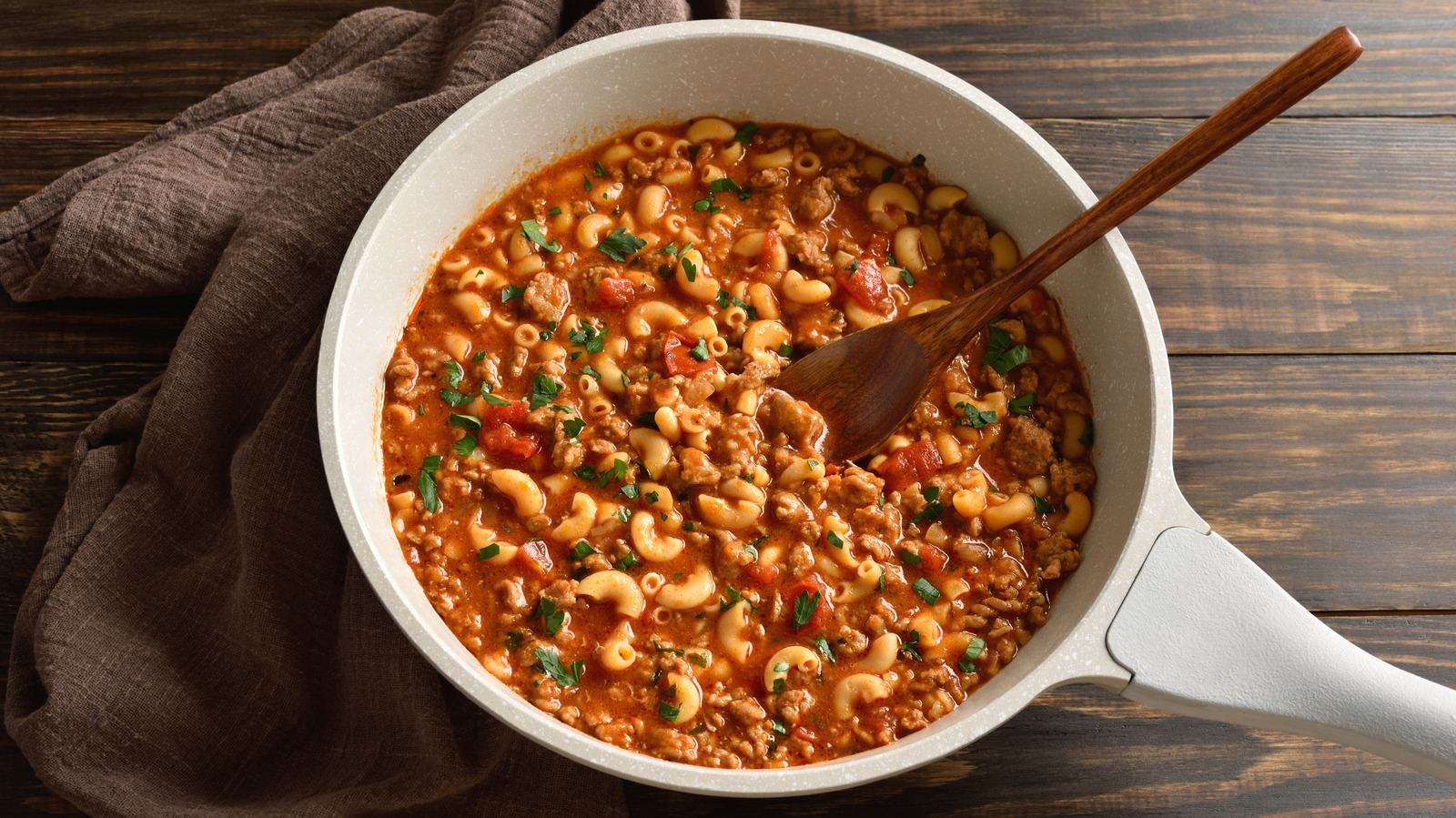
Few dishes carry the weight of history and the warmth of nostalgia quite like American goulash. Far more than just a simple pasta dish, it's a culinary time capsule, a testament to ingenuity, and a beloved comfort food that spans generations. From school cafeterias to family dinner tables, this hearty, one-pot meal has etched itself into the American culinary landscape. But its enduring popularity isn't just about taste; it's deeply rooted in its origins as an economical and nourishing staple during one of the nation's most challenging periods: the Great Depression.
A Taste of History: From Hungarian Stew to American Staple
The journey of American goulash begins not in an American kitchen, but on the vast plains of Hungary. Its ancestor, the traditional Hungarian *gulyás*, was originally a simple, robust stew prepared by Magyar herdsmen as far back as the 9th century. Cooked in cauldrons over open fires, it consisted primarily of beef and onions, designed to sustain cattle drivers during arduous journeys. Over centuries, this recipe evolved, most notably with the introduction of paprika in the 16th century, which transformed it into the vibrant, spiced beef stew we recognize today.
Hungarian immigrants brought their beloved *gulyás* to North America in waves, starting with political refugees in the mid-1800s, followed by larger economic migrations in the late 19th and early 20th centuries. Settling in urban centers, they shared their culinary traditions, adapting them to the ingredients available in their new home. Early documented American recipes, such as one from the 1914 Woman’s Educational Club Cookbook, still featured cubed steak, tomatoes, and paprika, reflecting its Hungarian heritage. However, as the 1920s progressed, a significant shift occurred: recipes began to incorporate more readily available and affordable ingredients like ground beef and elbow macaroni. This adaptation laid the groundwork for the distinctly Americanized version of goulash that would soon surge in popularity, particularly as the nation faced unprecedented economic hardship.
The Great Depression's Dish: Ingenuity in Every Bite
The 1930s saw American goulash rise from a regional dish to a national favorite, largely because it perfectly addressed the dire needs of the Great Depression era. Families across the country struggled to put food on the table, and meals needed to be both filling and incredibly economical. American goulash fit the bill perfectly:
- Stretching Ingredients: A small amount of inexpensive ground beef could be extended into a substantial meal when combined with a generous quantity of pasta and canned tomatoes. This was crucial for feeding not-so-small families on tight budgets.
- Affordability: Ground beef, elbow macaroni, and canned tomatoes were among the most accessible and inexpensive pantry staples of the time. This made goulash an achievable meal for even the poorest households.
- One-Pot Simplicity: The one-pot nature of American goulash was a huge advantage. It required minimal dishes, less cooking fuel (a precious resource), and was relatively simple to prepare, making it ideal for busy mothers managing households with limited resources and time.
- Hearty and Nourishing: Despite its low cost, American goulash was packed with carbohydrates from the pasta, protein from the beef, and vitamins from the tomatoes. It offered a satisfying, warm, and comforting meal that provided much-needed sustenance during a period of widespread scarcity.
It wasn't just home cooks who embraced this economical dish; school cafeterias also frequently served American goulash, often alongside a slice of buttered white bread and a carton of milk. It was a reliable choice to provide a nutritious, filling, and cost-effective meal to children, ensuring they had energy to learn amidst widespread hunger.
What Makes American Goulash Endure Today?
Decades after the Great Depression, American goulash continues to hold a special place in the hearts and on the dinner plates of many. Its enduring appeal can be attributed to several factors:
- Simplicity and Speed: In today's fast-paced world, an easy, one-pan meal is a treasure. Recipes often boast a 30-minute cook time, making it perfect for busy weeknights when time is of the essence but a homemade meal is still desired. It’s a dish that "doesn't taste simple," yet it is.
- Versatility: While core ingredients remain consistent (ground beef, elbow macaroni, canned tomatoes, paprika, onions, garlic), American goulash is incredibly adaptable. Home cooks can easily add bell peppers for extra vegetables, a sprinkle of cheese for creaminess, or a dash of Worcestershire sauce for depth. Regional variations also exist, sometimes known as "American chop suey" in New England or "chili mac" in other areas, showcasing its flexible nature.
- Nostalgia and Comfort: For many, American goulash is a taste of childhood. It evokes memories of home-cooked meals, family gatherings, and the simple pleasures of a warm, hearty dish on a cold evening. It’s the ultimate comfort food, providing a feeling of security and warmth that transcends its humble ingredients.
- Continued Affordability: Even in modern times, American goulash remains an economical choice. It's a smart way to stretch a pound of ground beef to feed a crowd, making it a budget-friendly option for families of all sizes.
Crafting Your Own Enduring Bowl of American Goulash
Recreating that classic, comforting bowl of American goulash is straightforward, yet there are a few tips to elevate your rendition:
- Brown the Beef Properly: Start by browning your ground beef (lean or regular, depending on preference) with diced onions and minced garlic. Drain any excess fat for a cleaner flavor profile. This step builds the foundation of flavor.
- Layer the Flavors: After browning, add your seasonings. While paprika is key, don't underestimate salt, black pepper, and perhaps a pinch of Italian seasoning or bay leaf for added complexity. Allow them to toast slightly with the beef before adding liquids.
- Choose Your Tomatoes Wisely: Canned crushed tomatoes or tomato sauce provide a smooth base, while diced tomatoes add a chunky texture. A combination often works best for a rich, satisfying consistency. A touch of tomato paste can deepen the savory notes.
- The Pasta Perfected: Elbow macaroni is traditional, but other small pasta shapes like ditalini or small shells work too. Add the pasta directly to the sauce and liquids, ensuring there's enough broth or water for it to cook through. This allows the pasta to absorb the flavors as it cooks, becoming part of the sauce rather than just an addition.
- Simmer for Depth: Don't rush the simmer. Once everything is combined and the pasta is added, bring it to a gentle simmer, cover, and cook until the pasta is tender and the flavors have had a chance to meld. This is where the magic happens.
- Optional Enhancements:
- For a touch of tang and umami, a splash of Worcestershire sauce or a teaspoon of apple cider vinegar can brighten the sauce.
- Stir in some shredded cheddar or mozzarella cheese at the end for extra creaminess.
- Add diced bell peppers (green, red, or yellow) along with the onions for extra color and vegetable goodness.
Serve your steaming bowl of easy American goulash with a side of crusty bread or a simple green salad for a complete and satisfying meal that transports you back to simpler times.
Conclusion
From its humble beginnings as a Hungarian herdsman's stew to its pivotal role in feeding a nation during the Great Depression, American goulash has proven its resilience and adaptability. It's more than just ground beef and pasta; it's a culinary symbol of resourcefulness, a comforting embrace, and a dish that continues to satisfy hunger and warm hearts. Its journey is a testament to the power of food to not only nourish our bodies but also to connect us to our history and our shared human experience. So, the next time you savor a bowl, remember the rich story behind this enduring American classic.
